
Safe Pest Control and Repellent Methods
Learn safe pest control methods. Use natural repellents, prevention tricks, and low-toxicity products to keep pests away without harsh chemicals.
CATEGORIES




Why Safety Matters in Pest Control
Published: 15-June-2025
TL;DR

Skip the harsh sprays. Use natural repellents (oils, vinegar), seal cracks, and rely on safe products like ultrasonic devices or low-tox sprays. Outdoors, reduce standing water and food sources. Good habits prevent more infestations than chemicals ever will.
Here’s the thing: most people grab the strongest chemical they can find when they spot a bug.
It’s fast, it’s satisfying, and it feels like you’ve taken control.
But the problem is what happens afterward – the residue stays on surfaces, spreads through air, and can affect kids, pets, and even beneficial insects like bees.
Pesticides are often designed to linger, and that means they don’t just kill pests – they impact everything else too.
I always tell people: if it needs a respirator to apply, it doesn’t belong in your kitchen or living room.
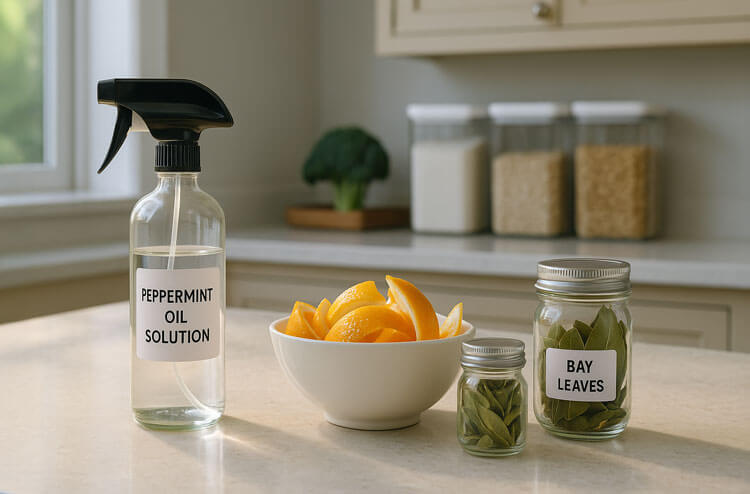
Safe Pest Control and Repellent Methods – AI Image
Safe pest control isn’t about going soft; it’s about being smart.
When you focus on prevention and natural deterrents, you handle the problem before it grows wings.
Natural Repellents That Actually Work
Natural repellents don’t wipe out pests instantly, but they make your home less appealing to them. Think of it as passive defense rather than chemical warfare.
Here’s what I’ve used and seen work:
- Peppermint oil diluted with water drives away spiders and ants. Spray along doorways and corners every few days.
- White vinegar breaks up ant trails and deters fruit flies. Mix 1:1 with water and use for cleaning counters.
- Citrus peels and lemon juice discourage spiders, gnats, and cockroaches. They hate the acidity.
- Cloves and bay leaves in pantries keep moths from nesting.
Another bonus – these smell fresh and don’t leave toxic residues. I’ve had homes switch entirely to vinegar-based cleaners and notice pest reduction just from that change.
Physical Barriers and Prevention
Physical barriers are your first line of defense. If pests can’t get in, they can’t cause trouble.
I recommend starting with entry points: gaps under doors, loose window screens, and unsealed wall penetrations around pipes and cables.
Door sweeps, silicone caulk, and fine mesh screens solve 80% of pest issues when installed properly.
For pantries and kitchens, airtight storage keeps ants and roaches away. Outdoors, tidy up mulch beds and keep vegetation trimmed – overgrown plants give insects a path inside.
One trick I use: run a flashlight around baseboards and see where light escapes outside. Those are your pest highways. Seal them. Prevention is quiet work, but it’s the kind that pays off month after month.
Safe Store-Bought Options
Sometimes you need a little more power – and that’s okay. The trick is choosing safe, well-made products that don’t harm your family or environment.
Ultrasonic repellents are a good start. They emit high-frequency sound pests hate but humans can’t hear.
I’ve used Bell+Howell and EverPest units with decent success around garages and attics.
For sprays, choose EcoRaider, Raid Earth Options, or Zevo.
These use plant-based ingredients like geraniol or lemongrass oil instead of synthetic pyrethroids. They’re strong enough for ants and roaches but much safer than traditional formulas.
And for ants or roaches, use sealed bait stations – not loose powders. Bait stations like Terro Liquid Ant Baits work slowly and keep poison out of reach from pets.
Always read labels, and never double up products – mixing chemicals is more dangerous than effective.
Outdoor Pest Control Tips
The yard can turn into a pest hotel if you’re not careful. Outdoor pest management starts with environment control.
For mosquitoes, eliminate standing water weekly – even small puddles in pots can breed hundreds. Install a mosquito dunk (Bti tablet) in birdbaths to kill larvae safely.
For ants, sprinkle diatomaceous earth around paths, cracks, and under patio furniture. It’s non-toxic to humans and pets but deadly to insects.
Rodents need food, so tighten trash lids, avoid leaving birdseed overnight, and store pet food inside. For flies, I use citronella candles, yellow bug bulbs, and electric fly zappers during outdoor dinners.
My general rule: never make your yard comfortable for pests. If it looks tidy, dry, and well-lit, they’ll move somewhere else.
Habits That Keep Pests Away for Good
No product beats a good routine. Most infestations happen because pests find easy food and shelter. That’s why habits matter most.
Clean kitchen surfaces daily – even a few crumbs attract ants.
Keep trash bins closed and rinse them weekly. Declutter storage rooms; pests love paper stacks and cardboard boxes. If you’ve got pets, wash their bowls and vacuum feeding areas often.
Outdoors, store firewood off the ground and away from the house. Sweep patios regularly, and don’t let leaves or debris pile up near walls.
Pest control isn’t a one-time fix. It’s maintenance – just like mowing the lawn. The more consistent you are, the fewer pests you’ll ever see.
Comparison Table: Pest Control Methods
| Category | Examples | Pros | Cons |
|---|---|---|---|
| Natural Repellents | Peppermint oil, vinegar, citrus, cloves | Safe for pets, eco-friendly, cheap | Needs regular reapplication |
| Physical Barriers | Screens, caulk, storage containers | Prevents entry entirely, long-lasting | Initial setup takes effort |
| Safe Store-Bought | EcoRaider, Zevo, ultrasonic devices | Stronger, ready to use, easy to find | Slightly higher cost |
| Outdoor Methods | Diatomaceous earth, citronella, dunks | Great for yards and patios | Affected by rain and weather |
| Habits & Maintenance | Cleaning, sealing, decluttering | No chemicals, sustainable results | Requires discipline and routine |
FAQs
Q: Do natural repellents really work long-term?
They do if you use them consistently and pair them with sealing and cleaning. It’s all about creating an environment pests don’t like.
Q: Are ultrasonic pest repellents safe for pets?
Yes, for dogs and cats. Avoid them if you have hamsters or pet rodents – they can hear the frequencies.
Q: What’s the best non-toxic spray for kitchens?
EcoRaider or Zevo Indoor Spray – both kill pests on contact but are safe around food areas once dry.
Q: How often should I apply natural repellents?
Every few days at first, then weekly once activity drops. Essential oils fade quickly, so consistency is key.
Closing Thought
Safe pest control isn’t about killing everything that moves. It’s about balance – protecting your space without harming your family or environment.
A few smart choices and steady habits go further than any chemical spray on the shelf.

Marvin McAlister is an enthusiastic advocate for home safety and security, possessing a solid grasp of the subject through years of personal and professional involvement with security equipment. Check more about Marvin here.

The content of this page is meant exclusively for informational purposes. Conducting a professional safety audit is our recommendation when there is a proven danger.
Categories




Subcategories
Essentials 》guides • case studies
Around the home 》garden • patio • pool • garage • shed • recreational areas • electrical • lighting • animals and pests • fence • sidewalk • mailbox • doorstep
Far from home 》city • village • countryside • wildness
Vehicle safety 》general • passengers • driving • parking
You are in this section
– Safety plans
– Home security
– Fire safety
》Outdoor safety
– Firearm safety
– Family safety
– Disaster preparation